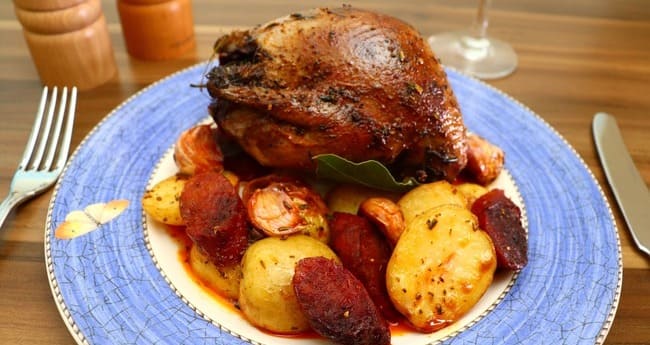
It is estimated that more than 5.6 million people in the UK are living with diabetes, which is an all-time high. Carbs, including potatoes can be eaten if you are diabetic
According to Diabetes.org.uk, data shows that 4.4 million people in the UK live with diabetes. Additionally, 1.2 million people could be living with type 2 diabetes who are yet to be diagnosed.
These registration figures for 2022-23 are up by 167,822 from 2021-22.
What is diabetes?
Diabetes is a serious condition where your blood glucose level is too high. It can happen when your body doesn’t produce enough insulin or the insulin it produces isn’t effective. Or, when your body can’t produce any insulin at all.
Types of diabetes
There are two main types of diabetes: type 1 and type 2.
When you’ve got type 1 diabetes, you can’t make any insulin at all. If you’ve got type 2 diabetes, which is the most common, it’s a bit different. The insulin you make either can’t work effectively, or you can’t produce enough of it. They’re different conditions, but they’re both serious.
There are lots of other types of diabetes. They include gestational diabetes, which some women may go on to develop during pregnancy, type 3c, MODY and Latent Autoimmune Diabetes in Adults (LADA).
In all types of diabetes, glucose can’t get into your cells properly, so it begins to build up in your blood. And too much glucose in your blood causes a lot of different problems. To begin with, it may lead to diabetes symptoms.
Treatment for diabetes
Treatment is about trying to keep blood sugars within a target range. Being as active as possible, eating healthily and going for regular health checks will help you do this. Some people will also need to take insulin or other medication and check their blood sugars regularly.
Lots of things can affect blood sugars, so it can be tricky to balance. But it’s possible to lead a full life. It’s about being in tune with your body and learning what works for you.
Can People With Diabetes Eat Potatoes?
People with diabetes can eat potatoes. Potatoes provide a variety of important nutrients that we all need, including those with diabetes. But it is important to note that potatoes are quite high in the carbohydrate department. Not only are they rich in carbs, but potatoes are considered to be a high glycemic index food, meaning that the carbs are quickly absorbed by the body and may cause a blood sugar spike. This is why it’s important to enjoy more moderate portions of potatoes and to pair them with slower-digesting foods like non-starchy vegetables and protein.
The advice is everything in moderation.
Carb counting
Carb counting takes a bit of effort to learn, but the control that comes with it can make life much easier.
Carbs are found in starchy foods like bread and pasta, in naturally occurring sugars in fruits and dairy products as well as in added sugars (found in sweets, chocolate, sugary drinks). Most carbs break down into glucose once digested. This means that the carb content of your diet directly affects your blood glucose levels.
Carbs can be further broken down into fast-, medium- and slow-acting.
- Fast-acting carbs: Glucose tablets, glucose drinks, full-sugar soft drinks or squashes, jellies (not diet), sweets.
- Medium-acting carbs: Bread, pasta, potatoes, yams, breakfast cereal, couscous.
- Slow-acting carbs: Pearl barley, peas, beans, lentils, sweetcorn, pumpkin.
Slow-acting carbs are absorbed very slowly. They may not need to be matched with insulin unless eaten in large quantities. The saying ‘everyone is unique’ applies to carbs too, so monitor your blood sugar levels to see how different foods affect you – and, of course, speak to your team for help.
Potatoes can be beneficial if cooked in a ‘healthy’ way
Eating potatoes can be good for you if they are “prepared in a healthy way”, new research demonstrates.
A study by Edith Cowan University has debunked previous findings that say potatoes are bad for your health and increases your risk of developing complications, such as type 2 diabetes.
The findings show that the participants who regularly eat vegetables were 21% less at risk of developing type 2 diabetes compared to those who rarely consume vegetables.
According to the scientists, potatoes do not prevent the development of type 2 diabetes, but they do not have a negative impact.
Researcher Pokharel said: “In previous studies, potatoes have been positively linked to incidence of diabetes, regardless of how they’re prepared – but we found that’s not true.
“In Denmark, people consume potatoes prepared in many different ways; in our study, we could distinguish between the different preparation methods.”
He added: “When we separated boiled potatoes from mashed potatoes, fries or crisps, boiled potatoes were no longer associated with a higher risk of diabetes: they had a null effect.
“In our study, people who ate the most potatoes also consumed more butter, red meat and soft drinks – foods known to increase your risk of type 2 diabetes.”
He evaluated: “When you account for that, boiled potatoes are no longer associated with diabetes.
“It’s only fries and mashed potatoes, the latter likely because it is usually made with butter, cream and the like.”
The vegetables that can prevent the development of type 2 diabetes are spinach, broccoli, cauliflower and lettuce, the study has reported.
“The finding that vegetables lower diabetes risk is crucial for public health recommendations, and we shouldn’t ignore it. Regarding potatoes, we can’t say they have a benefit in terms of type 2 diabetes, but they also aren’t bad if prepared in a healthy way,” said Pratik.
He added: “We should separate potatoes and other vegetables in regard to messaging about disease prevention but replacing refined grains such as white rice and pasta with potatoes can improve your diet quality because of fibre and other nutrients found in potatoes.
“Potatoes have fibre and nutrients, which are good for you. People talk about carbs being bad, but it’s more about the type of carbs you’re having; compared to something like white rice, boiled potatoes are a good quality of carbohydrate. But just take care how you prepare them: don’t eat fries, or mash with extras in it all the time.”
He concluded: “Just boil them and eat them like other greens or other foods – and you don’t need to have it with red meat all the time.”
How is diabetes diagnosed?
Diabetes is diagnosed from a blood test. If there are no obvious symptoms it can go undiagnosed. Early diagnosis helps prevent diabetes complications. Please see your GP if you are concerned about Diabetes.
With background information also from Diabetes UK site, Why understanding carbs (and how to count them) matters
We are delighted that Diabetes UK have also allowed us to use some of their potato recipes on our site
The above article appeared in Diabetes UK, by Conor Seery and is used with permission. Potatoes can be beneficial if cooked in a ‘healthy’ way
Look at these fantastic recipes from Diabetes UK
Leek and Potato Salad
Prep: 10 Mins
Cook In: 20 Mins
- BBQ and Salads, Classic British, Lunch & Dinner, Summer, Under 30 mins, Under 400 Calories, Vegetarian
- Recipe by Diabetes UK
- Contains: Dairy
Cod Portugaise with Boiled new Potatoes and Side Salad
Prep: 15 Mins
Cook In: 40 Mins
- Lunch & Dinner, Summer, Under 400 Calories, White Fish, World Flavours
- Recipe by Diabetes UK
Pork Chops with Roasted Pear, Apple and New Potatoes
Prep: 20 Mins
Cook In: 40 Mins
- Classic British, Lunch & Dinner, Pork, Under 400 Calories, Winter
- Recipe by Diabetes UK
- Contains: Dairy
Spinach, Red Onion and Potato Tortilla
Prep: 10 Mins
Cook In: 45 Mins
- Lunch & Dinner, Under 400 Calories, Vegetarian, World Flavours
- Recipe by Diabetes UK
- Contains: Egg
Baby Baked Potatoes with Beef and Horseradish
Prep: 15 Mins
Cook In: 40 Mins
- Beef, Canape, Classic British, Lunch & Dinner, Spring, Summer, Under 30 mins, Under 400 Calories
- Recipe by Diabetes UK
- Contains: Dairy
Witchetty Grubs in Swamp Juice
Prep: 10 Mins
Cook In: 5 Mins
- Autumn, Canape, Child Friendly, Under 30 mins, Under 400 Calories, Vegetarian
- Recipe by Diabetes UK
- Contains: Dairy, Gluten
Check out some potato recipes from Diabetes UK
Witchetty Grubs in Swamp Juice
Prep: 10 Mins
Cook In: 5 Mins
- Autumn, Canape, Child Friendly, Under 30 mins, Under 400 Calories, Vegetarian
- Recipe by Diabetes UK
- Contains: Dairy, Gluten
Cod Portugaise with Boiled new Potatoes and Side Salad
Prep: 15 Mins
Cook In: 40 Mins
- Lunch & Dinner, Summer, Under 400 Calories, White Fish, World Flavours
- Recipe by Diabetes UK
Pork Chops with Roasted Pear, Apple and New Potatoes
Prep: 20 Mins
Cook In: 40 Mins
- Classic British, Lunch & Dinner, Pork, Under 400 Calories, Winter
- Recipe by Diabetes UK
- Contains: Dairy
Spinach, Red Onion and Potato Tortilla
Prep: 10 Mins
Cook In: 45 Mins
- Lunch & Dinner, Under 400 Calories, Vegetarian, World Flavours
- Recipe by Diabetes UK
- Contains: Egg
Baby Baked Potatoes with Beef and Horseradish
Prep: 15 Mins
Cook In: 40 Mins
- Beef, Canape, Classic British, Lunch & Dinner, Spring, Summer, Under 30 mins, Under 400 Calories
- Recipe by Diabetes UK
- Contains: Dairy
Leek and Potato Salad
Prep: 10 Mins
Cook In: 20 Mins
- BBQ and Salads, Classic British, Lunch & Dinner, Summer, Under 30 mins, Under 400 Calories, Vegetarian
- Recipe by Diabetes UK
- Contains: Dairy